November 21, 2026
The practice of arboriculture in residential settings is essential for sustaining neighborhood ecosystems, safeguarding property assets, and cultivating vibrant communities. Residential care focuses on individual specimens, woody shrubs, and ornamental canopies that define our daily living spaces. By applying biological science to individual tree management, modern tree care transforms standard suburban properties into thriving micro-ecosystems. Understanding the discipline behind residential tree cultivation reveals why consistent care forms the cornerstone of urban forest management.
According to WifiTalents, residential consumers account for approximately 52% of the total tree care market revenue, highlighting the deep financial and emotional commitment property owners make toward their landscapes. Homeowners recognize that trees provide critical shade, support local wildlife, and dramatically increase real estate value over time. Preserving these ecological resources requires dedicated expertise, structured maintenance protocols, and advanced diagnostic strategies. The health, safety, and longevity of neighborhood canopies rely directly on routine stewardship.
Examining the Structural Benefits of Arboriculture
Understanding the Historical Development of Urban Forestry
Arboriculture developed alongside human settlements as expanding urban centers created an urgent demand for managed green spaces. In the nineteenth century, rapid industrialization led city planners to integrate green belts and residential street trees to counteract pollution, lower ambient heat, and improve public sanitation. Trees acted as organic cooling agents and particulate filters, significantly improving public health within dense neighborhoods. Today, residential properties hold the majority of our community canopies, making private stewardship vital to the preservation of broader urban forest networks.
This long-standing connection underscores the importance of consulting a qualified arborist to navigate the challenges modern infrastructure imposes on living trees. Pavement, utility lines, and soil compaction constantly stress urban trees, requiring specialized biological intervention to ensure survival. When homeowners enlist a professional arborist, they protect their natural assets using proven cultivation practices that maintain structural stability across every season.
Evaluating the Influence of Canopies on Residential Properties
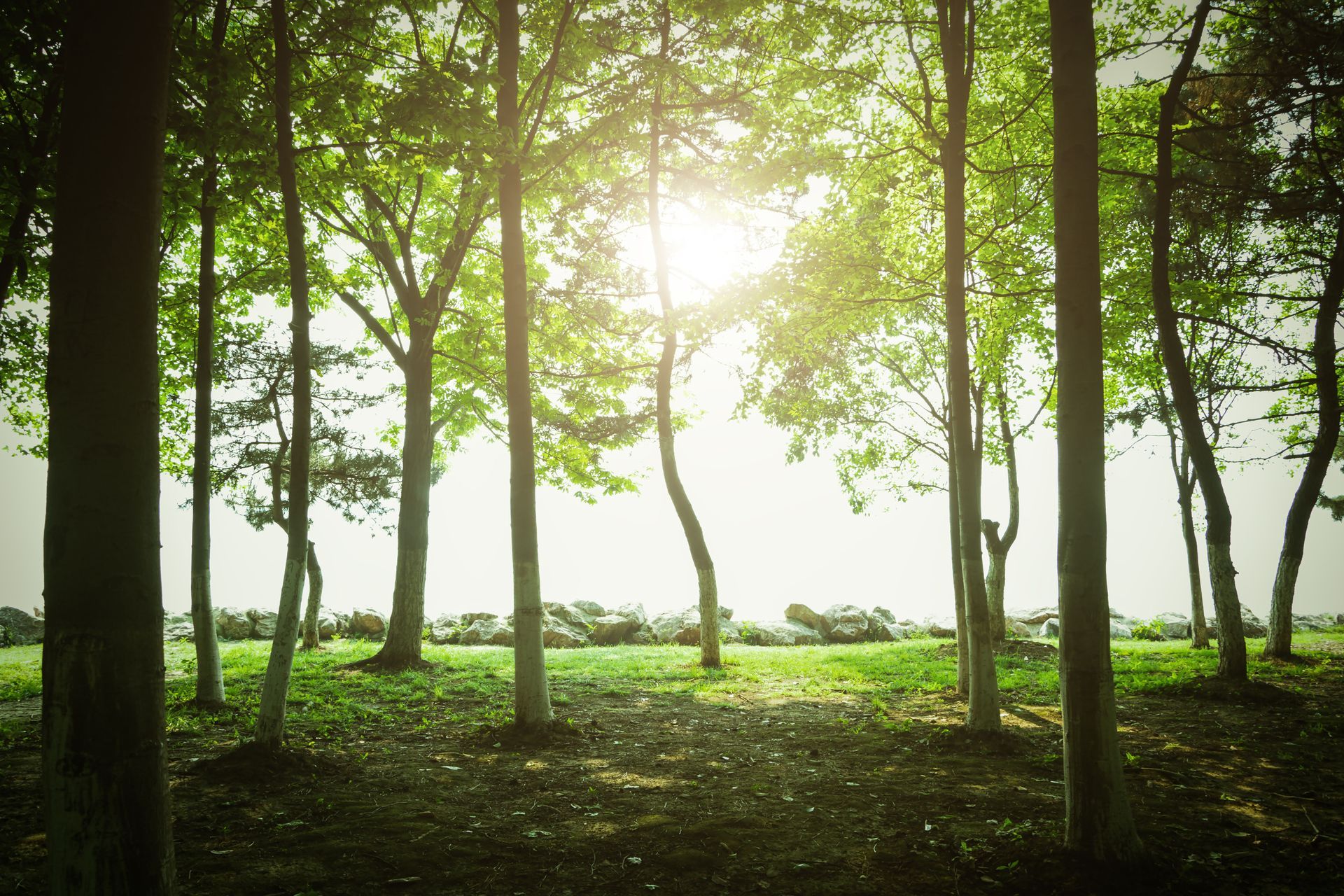
Residential canopies alter neighborhood microclimates by creating cooling shade, reducing radiant heat from driveways, and dampening ambient street noise. Carefully chosen trees create natural buffers that soften architectural angles and create outdoor spaces where families gather. The presence of mature trees enriches neighborhood cohesion and encourages outdoor recreation, turning ordinary streets into lively, interconnected communities.
Maximizing these environmental benefits requires careful placement and active canopy maintenance. Working alongside an experienced arborist ensures property owners select suitable species tailored to local soil properties, mature root spread, and clearance needs. With systematic guidance from an arborist, homeowners prevent root intrusion near foundations and reduce the risk of power line interference as trees mature.
Preserving Urban Biodiversity and Micro-Habitats
Residential yards serve as crucial ecological stepping stones that link fragmented natural forests across developed areas. A diverse selection of native trees offers vital nesting sites, nectar, and seasonal forage for native birds, beneficial insects, and urban wildlife. Strategically planted trees support complex biological food webs that balance insect populations and encourage organic pollination throughout neighboring gardens.
Beyond supporting wildlife, residential root networks stabilize local soil horizons and filter storm runoff during periods of intense rainfall. Expansive tree canopies intercept falling precipitation, reducing soil erosion and taking pressure off strained municipal stormwater drainage systems. Thoughtful residential tree care strengthens local hydrology and enriches topsoil quality, reinforcing the overall health of regional ecosystems.
Evaluating the Physical Health of Urban Trees
Identifying Potential Risks and Structural Hazards
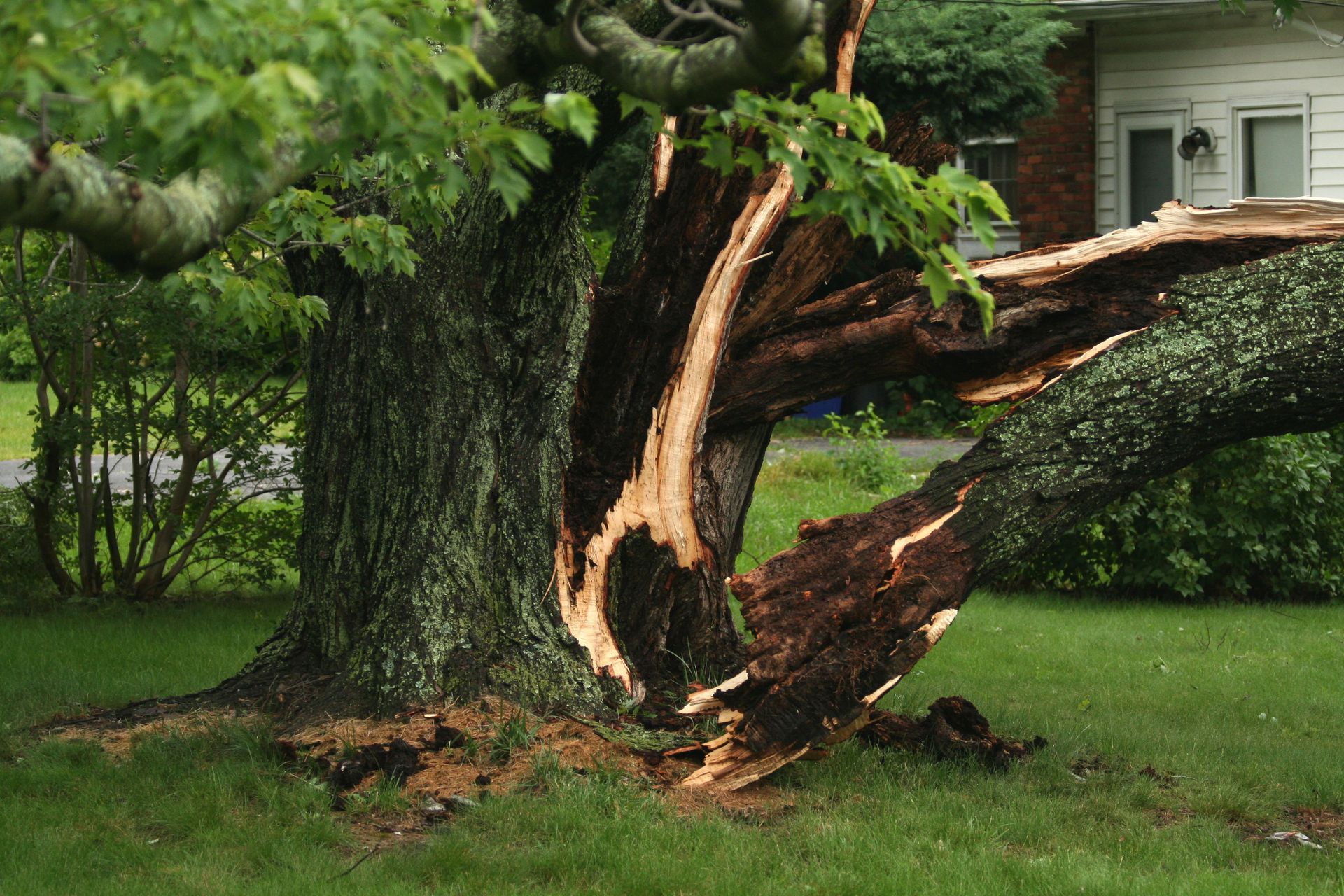
Urban landscapes expose woody plants to severe environmental stresses, including mechanical root severance, soil compaction, and physical damage from vehicles or equipment. Unnoticed structural decay, hollow trunks, or compromised root flares pose serious safety risks to nearby dwellings and pedestrians during severe weather events. Thorough hazard assessments pinpoint hidden vulnerabilities before they escalate into dangerous property damage or personal injuries.
Certified arborists utilize specialized diagnostic technology, such as acoustic tomography and resistance micro-drilling, to measure internal trunk decay without damaging living bark. Through systematic structural assessments, a trained arborist can identify cracked limbs, weak co-dominant stems, and root rot early. Relying on an arborist allows homeowners to take corrective measures promptly, keeping mature trees structurally stable and safe.
Managing Environmental Stressors and Changing Climates
Changing weather patterns, prolonged regional droughts, and urban heat islands exert heavy physiological stress on trees. Trees weakened by sudden temperature swings and water shortages lose their ability to photosynthesize effectively, store vital carbohydrates, and produce defensive compounds. Particulate pollutants from vehicle exhaust can also coat foliage, blocking stomatal pores and hindering standard transpiration cycles.
To mitigate these environmental pressures, landscapes require dynamic soil care, targeted moisture management, and tailored fertility plans. Introducing coarse organic wood mulch insulates root zones against extreme heat, suppresses competing weeds, and locks in essential soil moisture. Regular monitoring helps maintain tree vigor even during unseasonable heat waves, boosting natural defenses against secondary pathogens.
Executing Structural Pruning and Routine Canopy Maintenance
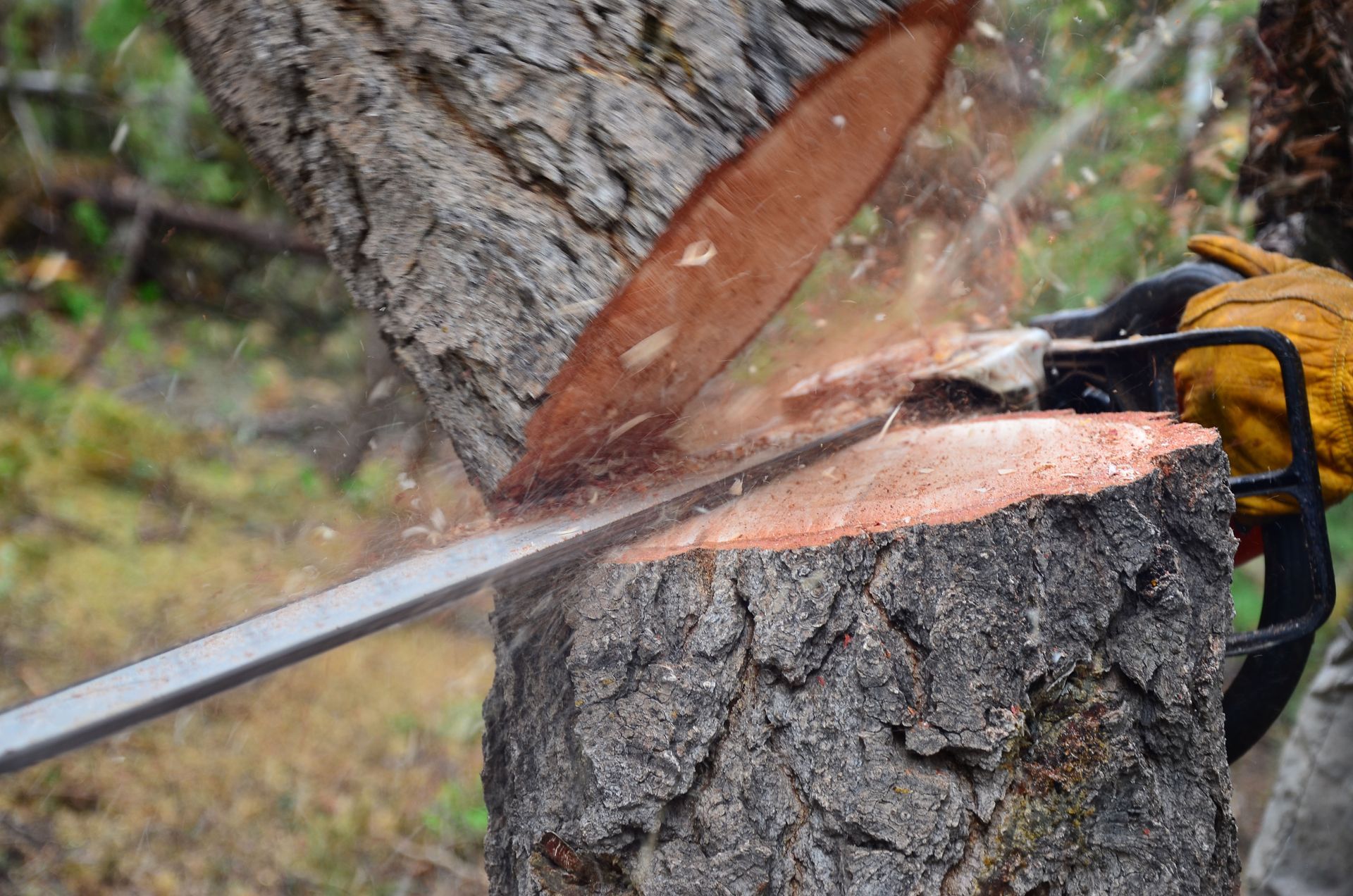
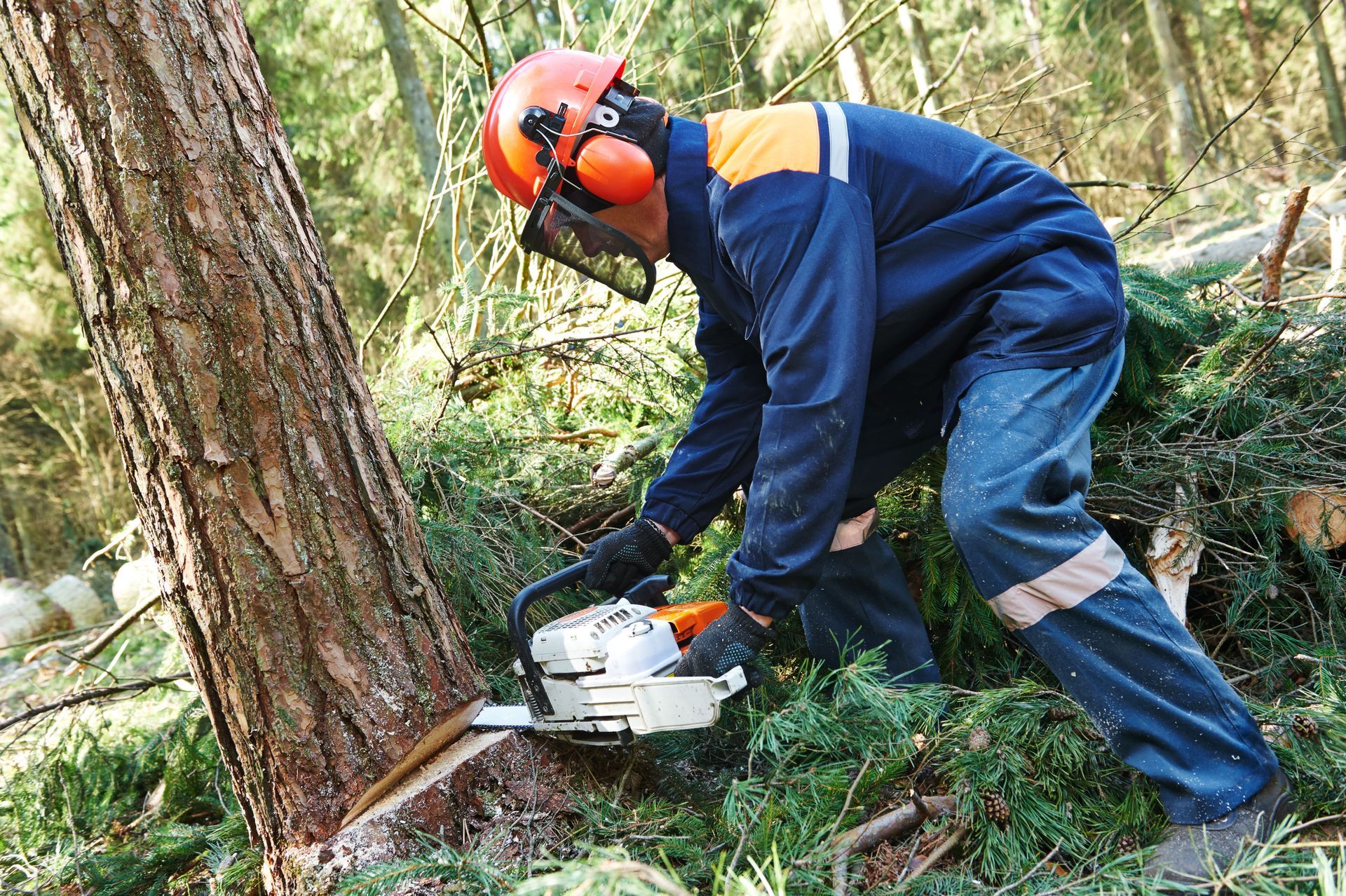
Systematic pruning is the cornerstone of proactive tree management, enhancing both structural balance and general vigor. Selectively removing deadwood, crossed branches, and diseased limbs opens the interior canopy to healthy air movement and sunlight. Good airflow dries canopy foliage quickly, reducing the growth of fungal spores while lowering wind resistance during severe storms.
Improper trimming practices, such as crown topping or excessive flush cuts, permanently mutilate branches and trigger the growth of weak epicormic sprouts. A certified arborist understands branch biology and precisely targets branch collars to support rapid wound compartmentalization. Entrusting canopy maintenance to an arborist preserves structural symmetry and protects your investment over decades of seasonal growth.
Adopting Modern Diagnostics and Innovative Care Practices
The field of arboriculture continues to evolve with advanced biological and diagnostic technologies that improve longevity. Arborists use ground-penetrating radar to inspect delicate root plates without digging, and apply biochar soil conditioners to boost nutrient retention. Meanwhile, aerial camera drones provide close-up views of tall canopies, revealing canopy decline and upper pest infestations that cannot be seen from the ground.
These modern techniques give arborists clear, data-driven insights into tree biology, eliminating guesswork and preventing unnecessary tree removals. Data-backed care plans optimize water delivery and soil health, keeping trees robust against pests and drought. Modern urban tree management ensures aging trees receive the focused care they need to thrive within demanding urban environments.
Maximizing the Economic Value of Residential Greenery
Enhancing Property Values and Community Curb Appeal
Healthy mature trees consistently boost residential real estate values. Well-maintained canopies frame architecture, create welcoming front entryways, and establish an inviting sense of permanence that attracts home buyers. Neighborhoods shaded by leafy canopies often command premium real estate values compared to treeless developments, highlighting the clear financial return on steady landscape care.
Maintaining high curb appeal requires consistent health maintenance, structural trimming, and clearance pruning. A certified arborist keeps trees balanced and attractive, preventing haphazard overgrowth from obscuring sightlines or damaging roof shingles. Ongoing consultations with an arborist protect property value and ensure trees remain healthy assets rather than costly liabilities.
Dense rows of evergreen conifers planted along prevailing winter wind vectors serve as effective living windbreaks. By deflecting icy drafts away from siding, foundations, and doorways, these living buffers reduce household heating demands during freezing winter weather. Thoughtful tree placement delivers year-round thermal benefits, generating meaningful utility savings that offset routine tree care expenses.
The long-term vitality of our neighborhood forests depends on dedicated, professional stewardship across private properties. Proactive tree care protects structural balance, enriches biodiversity, lowers utility costs, and keeps mature trees secure against severe weather. By committing to regular landscape assessments, homeowners protect their investments while building resilient, beautiful communities for future generations. Call Paul's Tree Service today to get started.