June 15, 2026
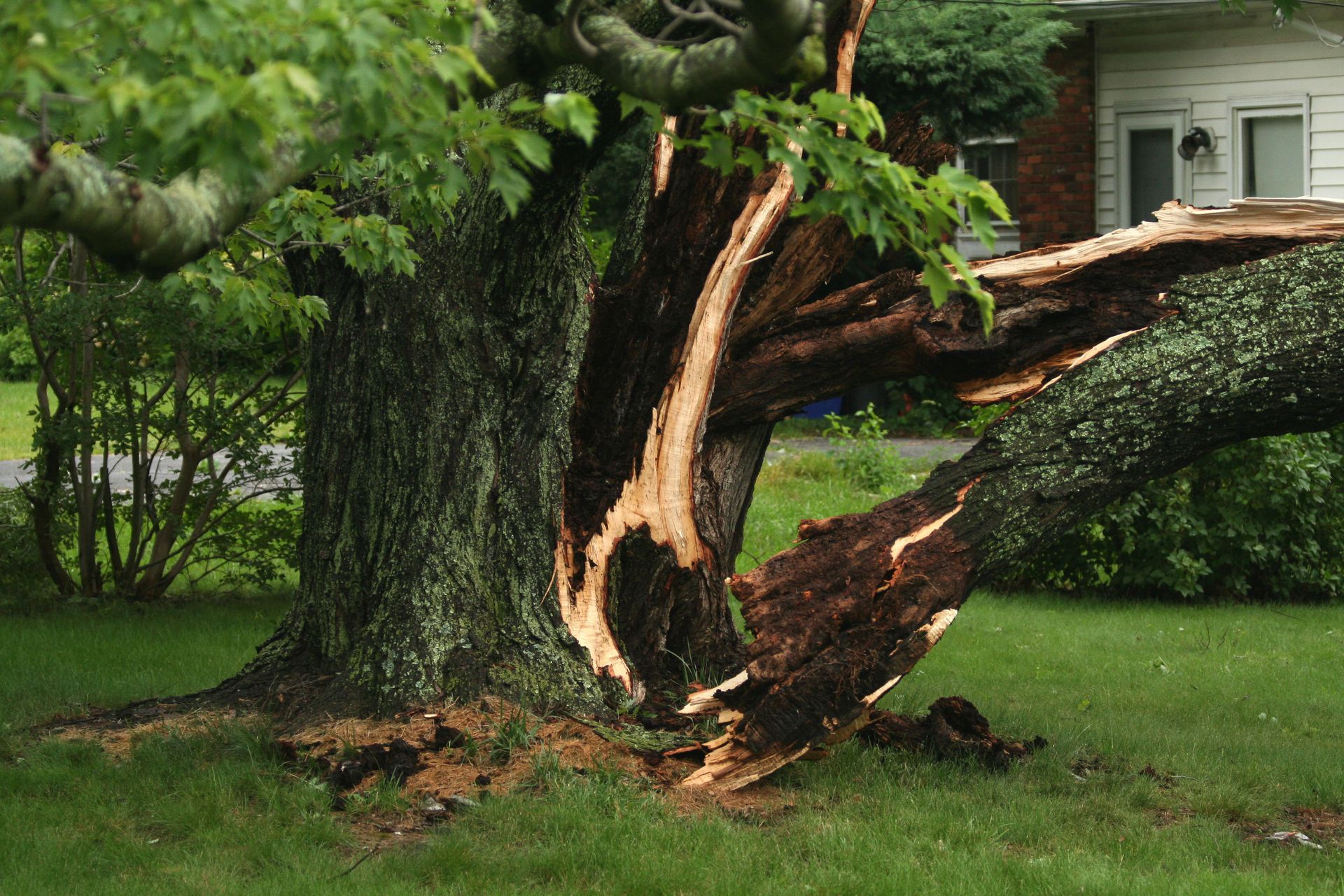
Bringing down a massive tree in tight residential spaces requires serious muscle and mathematical precision. While dead or unstable timber poses an immediate threat to your property, professional crews use advanced physics to eliminate the danger. It's a high-stakes balancing act requiring the special skills of a local arborist. Every cut must be perfectly calculated to prevent devastating property damage or personal injury, shifting the process from unpredictable to a controlled and highly engineered craft.
Assessing Property Hazards Thoroughly
Before a single piece of equipment is started, a comprehensive site inspection must take place to identify potential dangers. The crew scans the entire perimeter for obstacles such as overhead utility lines, underground septic tanks, and hidden structural weaknesses in adjacent buildings. Weather conditions are also heavily factored into this initial phase, as high winds or sudden precipitation can completely alter the safety profile of an operation. The team looks at ground stability to determine where heavy machinery can be safely positioned without sinking or shifting.
During this assessment, the physical condition of the tree receives intense scrutiny to determine its structural integrity. Dead sections, fungal growth, hollow trunks, and severe leans all dictate how the wood will behave when cut. The crew maps out specific drop zones and clear escape routes for every ground worker before any cutting begins. This careful diagnostic phase guarantees that the team anticipates hidden structural failures rather than reacting to them mid-operation.
Understanding these environmental and structural variables allows the team to create a highly tailored execution plan. According to the Occupational Safety and Health Administration, power lines, falling branches, and faulty safety equipment are the three most frequent hazards associated with tree care. Recognizing these precise threats allows a certified local arborist to establish robust defensive boundaries and select the exact gear needed to counteract every identified risk on the property.
Preparing Advanced Equipment Meticulously
High-risk operations require specialized machinery and tools that are maintained to the absolute highest operational standards. Crew members spend significant time inspecting chainsaws, rigging ropes, pulleys, and wood chippers before they even get to the job site. Ropes are checked for fiber fraying, while chainsaws are sharpened and tested to guarantee they will not bind or stall mid-cut. Every piece of personal protective equipment, from ballistic chaps to high-impact helmets, is verified for integrity.
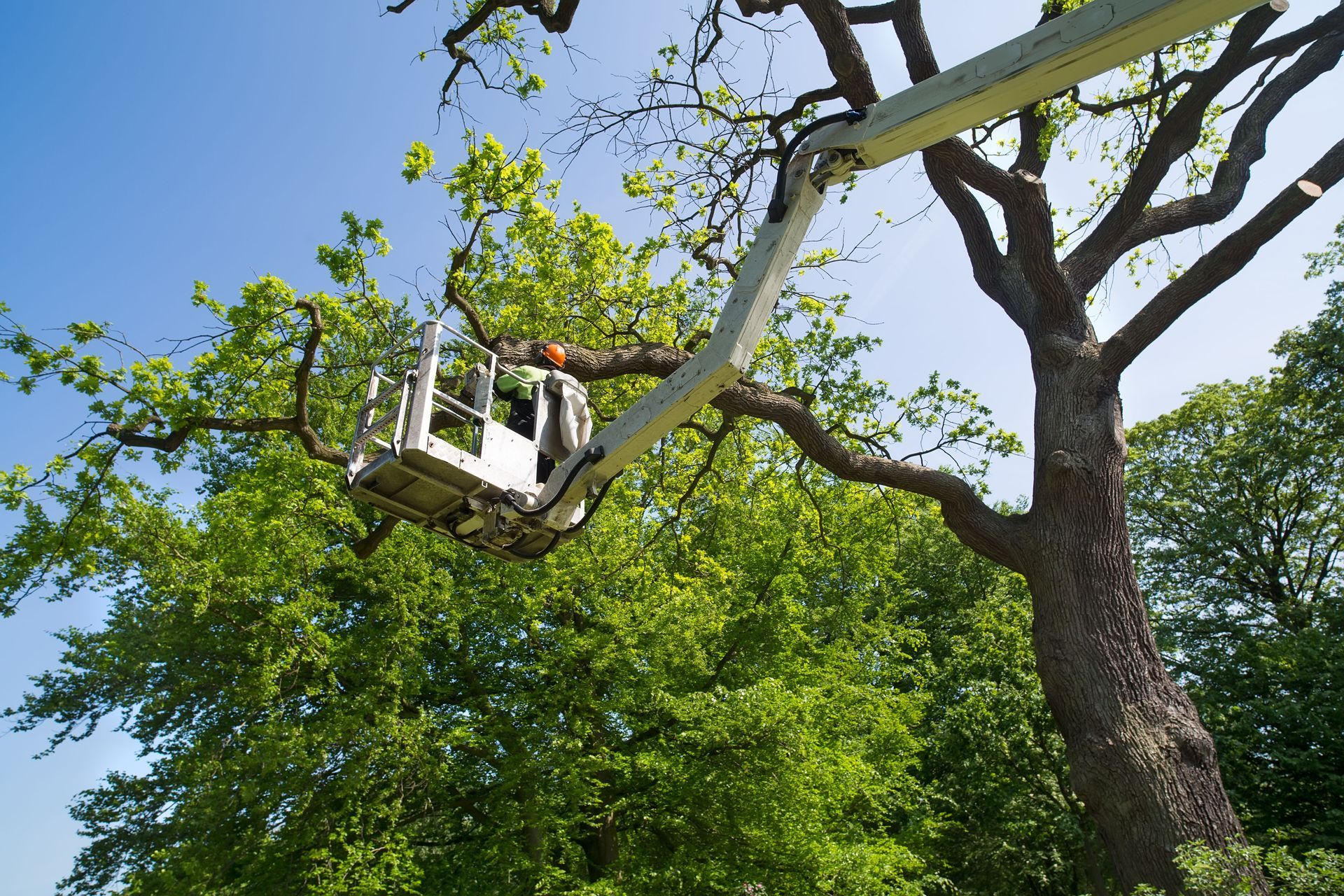
Heavy machinery like aerial lifts, cranes, and log loaders must be positioned with extreme care on the job site. Outriggers are deployed on wide, stable pads to distribute the massive weight of the vehicles and prevent tipping. The crew establishes a clear communication protocol, often utilizing high-tech radio headsets built right into their helmets. This advanced communication system allows workers in the canopy to speak clearly with ground operators over the roar of heavy machinery.
By treating equipment preparation as a critical safety phase, the team eliminates mechanical failure as a variable during execution. Hand tools and heavy machinery work together in sync to move massive weights seamlessly. Entrusting the work to a well-equipped local arborist means the job benefits from industrial-grade tools that are far beyond the scope of standard consumer hardware.
Executing Rigging Techniques Flawlessly
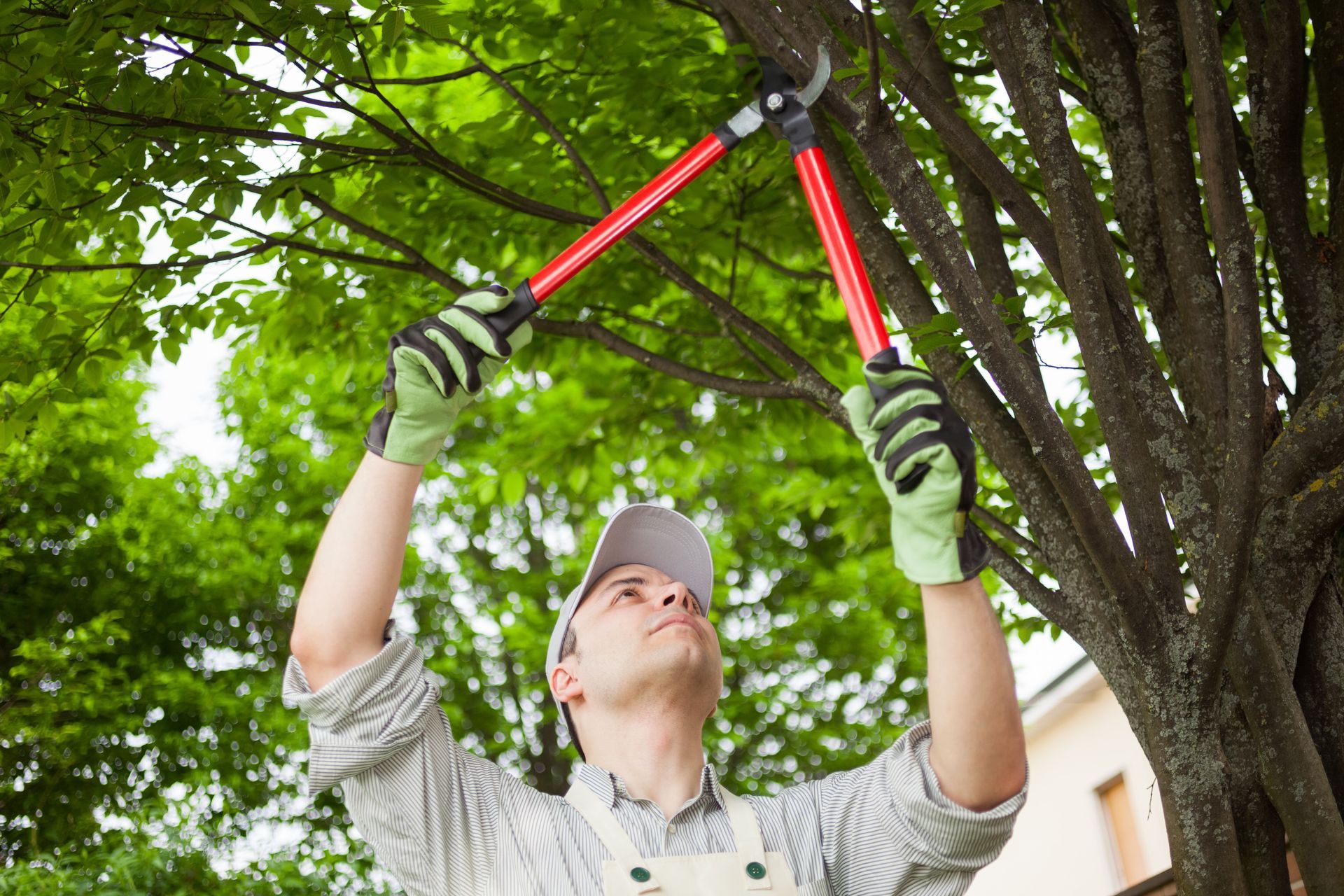
When a tree cannot be felled in one single piece due to space constraints, workers must use a method called sectional dismantling. A climber ascends the trunk using specialized ropes and harnesses, cutting the tree apart from the top down. Every cut branch is secured with high-tensile rigging lines before the chainsaw ever touches the wood. Ground crew members loop these ropes through friction-control devices anchored at the base of the trunk.
The physics of rigging requires a deep understanding of weight distribution and wood strength. As a limb is severed, the ground crew carefully manages the friction device to lower the heavy wood slowly and smoothly to earth. This controlled descent prevents the heavy timber from swinging wildly and damaging fences, roofs, or landscape features below. This technique completely removes the unpredictability of falling debris by keeping every single piece anchored to a controlled system.
This balance of force and friction is one of the most intellectually demanding aspects of the entire removal process. The technicians must calculate the green weight of the wood on the fly to avoid overloading their ropes and anchors. This level of mathematical precision is exactly why a seasoned local arborist is necessary to handle complex removals over high-value residential structures.
Creating Felling Notches Accurately
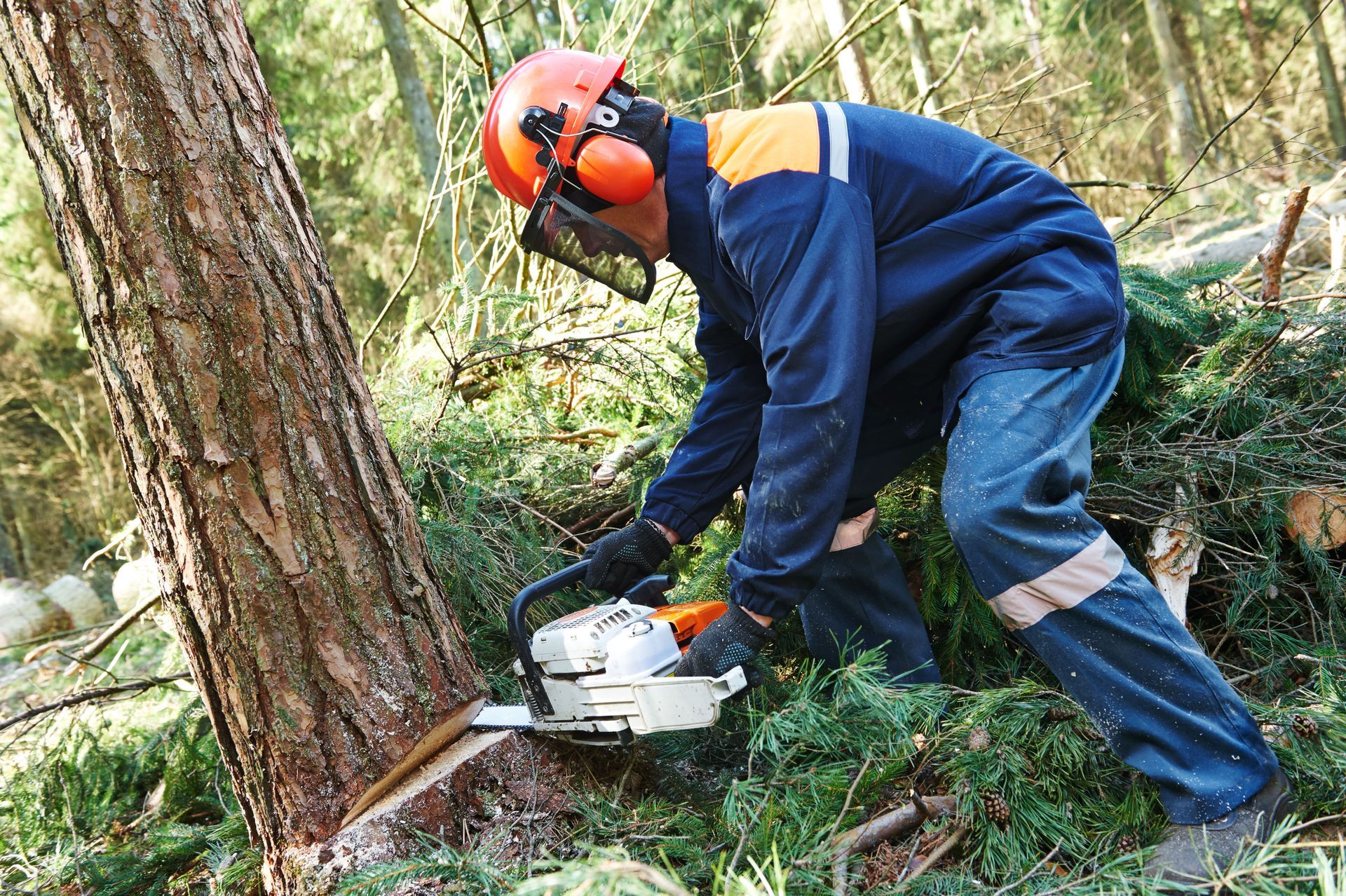
For trees that have enough clear ground space to be dropped in one complete piece, the directional fell is used. This classic technique relies on cutting a highly precise geometric notch into the side of the trunk facing the desired drop zone. The shape of this notch acts as a mechanical hinge that guides the tree safely to the ground. Technicians use specialized sightlines on their chainsaws to align the apex of the cut perfectly with the target zone.
Once the front notch is cleared, the sawyer moves to the back of the trunk to execute the final back cut. This cut is placed slightly higher than the notch floor, leaving a thin strip of uncut wood inside to serve as the physical hinge. As the tree begins its downward arc, this wood hinge prevents the trunk from twisting off the stump prematurely or kicking backward toward the operator. The sawyer then retreats along a cleared off path as gravity takes over.
The precision of the hinge determines the ultimate success of the directional fell. A fraction of an inch of variance can cause the trunk to drift off target, jeopardizing surrounding property assets. Watching a qualified local arborist execute this cut reveals a masterclass in applied physics, where massive momentum is directed with total authority.
Managing Ground Safety Professionally
The action on the ground is just as intense and disciplined as the work happening high up in the canopy. Ground crew members are responsible for catching lowered limbs, processing branches through the chipper, and keeping the drop zone completely clear. They maintain a strict perimeter to prevent unauthorized individuals or curious neighbors from wandering into the active work zone. Debris is moved immediately to keep escape paths clear for the primary sawyers at all times.
Wood chippers and log loaders are operated with continuous situational awareness. Workers never approach the feeding mechanisms of a chipper alone, and they use specialized push paddles rather than their hands to feed small brush into the machine. Constant hand signals and verbal callouts keep the ground team aligned with the movements of heavy machinery operators. This constant vigilance prevents ground clutter from tripping up workers or interfering with the rigging lines.
A clean, organized job site is the hallmark of a truly safe operation. By managing the ground environment with military precision, the crew eliminates secondary hazards like slips, trips, and caught-in-between injuries. This rigorous discipline on the ground is what sets a professional local arborist apart from amateur operations that leave sites chaotic and dangerous.
Tree removal is ultimately an exercise in controlled engineering rather than brute force. From the initial site assessment to the final cleanup of the ground, every single movement is dictated by strict safety protocols and mathematical calculations. By managing hazards, maintaining gear, and mastering physics, professional crews complete these dangerous tasks without incident. Reach out to a qualified local arborist at Paul's Tree Service to guarantee your property is protected through industry-vetted methods, advanced mechanical rigging, and a highly disciplined crew structure.